Discover the charming history, plush beauty, and endearing personality of the United Kingdom’s most beloved feline companion.
—
Introduction: The Quintessential British Cat
In the rolling countryside and bustling cities of the United Kingdom, a cat of remarkable charm and distinctive appearance has captured hearts for centuries. The British Shorthair, with its round face, dense coat, and famously calm demeanor, represents everything that makes the perfect companion: beauty without vanity, affection without clinginess, and dignity without aloofness. And among these beloved cats, the golden varieties—Golden Shaded and Golden Ticked—shine like precious treasures.
Often described as having a “teddy bear” appearance, the British Shorthair combines plush good looks with an easygoing temperament that makes them ideal pets for families, singles, and seniors alike. These cats don’t demand attention with loud meows or dramatic gestures; instead, they offer quiet companionship and steadfast loyalty that wins hearts through consistency rather than spectacle.

Origins: From Roman Streets to Royal Recognition
Ancient Beginnings
The British Shorthair’s story begins nearly 2,000 years ago when Roman soldiers brought their domestic cats to the British Isles. These cats, valued for their hunting prowess, interbred with native wildcats and established the foundation for what would become one of the world’s oldest and most distinguished cat breeds.
Historical Timeline:
| Era | Event | Significance |
| 43 AD | Roman Invasion | First domestic cats arrive in Britain |
| Medieval Period | Working Cats | Valued for rodent control |
| 1800s | Harrison Weir | Father of the cat fancy takes interest |
| 1871 | Crystal Palace | First cat show features British cats |
| 1900s | Breed Development | Selective breeding programs begin |
| Today | Global Popularity | One of the world’s favorite breeds |
The Harrison Weir Legacy
Harrison Weir, often called the “Father of the Cat Fancy,” played a crucial role in establishing the British Shorthair as a distinct breed. In 1871, he organized the first modern cat show at London’s Crystal Palace, where British cats were prominently featured and celebrated for their robust health and charming appearance.
Weir’s dedication to documenting and standardizing British cat types laid the groundwork for the breed we know today. His 1889 book, “Our Cats and All About Them,” remains a valuable historical resource for understanding the breed’s early development.
The Golden Varieties
While British Shorthairs have existed in various colors for centuries, the golden varieties—particularly Golden Shaded and Golden Ticked—have gained tremendous popularity in recent decades.
Golden Color Development:
- • Traditional Colors: Blue (gray) was historically most common
- • Color Expansion: Breeders developed wider color palette
- • Golden Emergence: Silver gene variations created golden shades
- • Modern Popularity: Golden varieties now highly sought after
- • Breed Standards: Official recognition in major associations

Distinctive Appearance: The Teddy Bear Cat
The British Silhouette
The British Shorthair possesses one of the most recognizable silhouettes in the cat world. Every aspect of their appearance speaks to their heritage as robust, working cats adapted to the British climate.
Physical Characteristics:
- • Body: Medium to large, stocky, muscular, and well-rounded
- • Head: Round with full cheeks, giving teddy bear appearance
- • Eyes: Large, round, and widely spaced; color varies by coat
- • Ears: Medium-sized, rounded at tips, widely set
- • Coat: Dense, short, plush, and crisp to the touch
- • Tail: Medium length, thick at base, tapering to rounded tip
- • Legs: Short to medium, sturdy, with round paws
The Golden Color Varieties
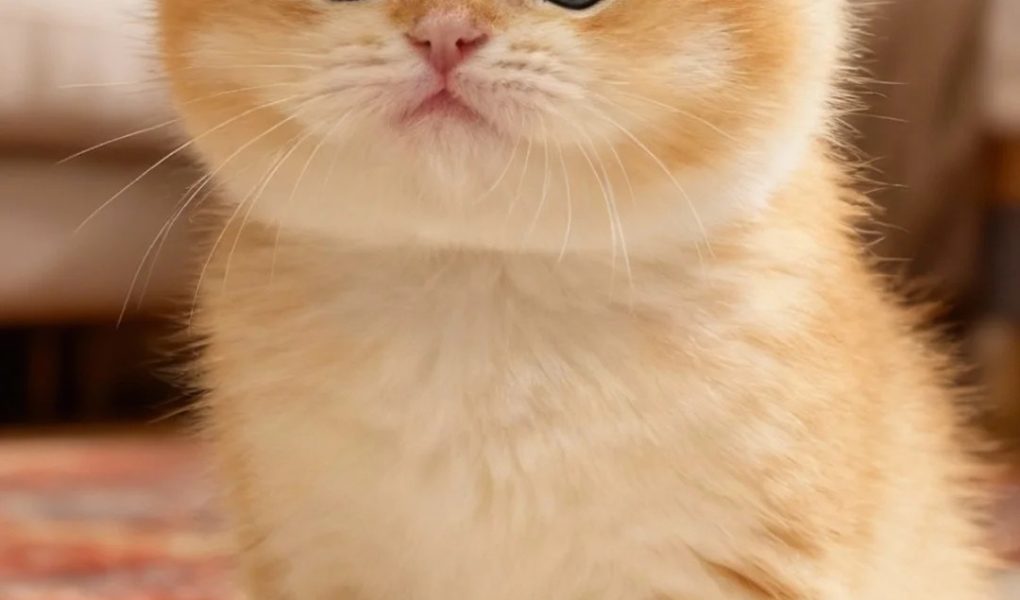
The golden British Shorthairs have become increasingly popular due to their stunning, luxurious appearance. These cats display a range of golden shades that catch the light beautifully.
Golden Color Types:
| Type | Description | Appearance |
| Golden Shaded | Darker tips, lighter undercoat | Tipped appearance, luminous |
| Golden Ticked | Ticked tabby pattern | Agouti hairs, warm glow |
| Golden Shell | Light tipping | Very pale golden effect |
| Golden Tabby | Classic or mackerel stripes | Patterned golden coat |
Eye Colors in Golden Varieties:
- • Green/Gold: Most common and desirable
- • Copper: Acceptable in some standards
- • Blue: In colorpoint varieties
- • Odd-eyed: Heterochromia occasionally seen
The Plush Coat
The British Shorthair’s coat is legendary for its density and texture. Often compared to plush velvet or a teddy bear’s fur, it requires surprisingly little maintenance despite its luxurious appearance.
Coat Characteristics:
| Feature | Description | Care Requirements |
| Texture | Dense, crisp, plush | Weekly brushing |
| Length | Short to medium | Minimal matting |
| Density | Thick undercoat | Seasonal shedding |
| Feel | Firm, not soft | Natural oils maintain condition |
| Weather Resistance | Developed for British climate | Adaptable to various climates |

Personality: The Perfect Gentle Companion
The British Temperament
British Shorthairs are renowned for their easygoing, stable temperaments. They embody the stereotypical British qualities of reserve, dignity, and quiet competence—until they decide it’s time for play or affection.
Core Personality Traits:
1. Calm and Placid: Rarely get upset or anxious
2. Independent: Content with their own company
3. Affectionate: Loyal without being clingy
4. Intelligent: Problem-solvers but not troublemakers
5. Quiet: Soft voices, minimal meowing
6. Patient: Excellent with children and other pets
The “Teddy Bear” Personality
Just as their appearance earns them the “teddy bear” nickname, their personality lives up to the comparison. They’re comforting presences that offer warmth and companionship without overwhelming demands.
Behavioral Characteristics:
- • Lap Cats: Enjoy sitting nearby rather than on you
- • Floor Dwellers: Prefer low perches and ground level
- • Watchful: Observe household activities with interest
- • Playful: Retain kitten-like enthusiasm into adulthood
- • Dignified: Maintain composure even when playing
- • Adaptable: Adjust well to changes in routine
Social Dynamics
British Shorthairs are social cats that form strong bonds with their families, but they express their affection in subtle, undemanding ways.
Social Patterns:
- • Family Bonds: Loyal to all family members
- • Visitor Reactions: Polite but reserved with strangers
- • Children: Patient and tolerant
- • Other Pets: Generally accepting
- • Solitude: Comfortable being alone
- • Greeting Style: Quiet acknowledgment rather than excitement
Communication Style
British Shorthairs are notably quiet cats, communicating more through body language and presence than vocalization.
Vocal Repertoire:
- • The Quiet Meow: Soft, brief vocalizations
- • The Trill: Gentle greeting sound
- • The Purr: Deep, rumbling contentment
- • Silent Communication: Extensive use of body language
- • Eye Contact: Meaningful gazes to convey needs

Health and Care: Maintaining the British Standard
Robust Health Profile
British Shorthairs are generally healthy, hardy cats with few breed-specific health issues. Their working cat heritage has given them strong constitutions and longevity.
Common Health Considerations:
| Condition | Description | Prevention |
| Hypertrophic Cardiomyopathy (HCM) | Heart muscle thickening | Regular cardiac screening |
| Polycystic Kidney Disease (PKD) | Kidney cysts | Genetic testing |
| Hemophilia B | Bleeding disorder | Genetic screening |
| Obesity | Weight gain tendency | Portion control, exercise |
| Dental Disease | Periodontal issues | Regular dental care |
Nutritional Requirements
British Shorthairs have a tendency toward weight gain due to their stocky build and relatively sedentary lifestyle. Careful nutrition management is essential.
Feeding Guidelines:
- • High-Quality Protein: Essential for muscle maintenance
- • Controlled Portions: Prevent obesity
- • Measured Meals: Better than free-feeding
- • Age-Appropriate: Adjust for life stage
- • Hydration: Fresh water always available
Weight Management:
| Life Stage | Ideal Weight Range | Monitoring |
| Kitten | Follow growth charts | Regular weigh-ins |
| Adult Male | 12-18 lbs | Monthly checks |
| Adult Female | 8-14 lbs | Monthly checks |
| Senior | Maintain adult weight | Bi-weekly checks |
Grooming the Plush Coat
Despite their dense, plush coats, British Shorthairs are relatively low-maintenance in the grooming department.
Grooming Routine:
- ☐ Weekly Brushing: Removes loose hair, distributes oils
- ☐ Seasonal Deep Grooming: More frequent during shedding
- ☐ Nail Trimming: Every 2-3 weeks
- ☐ Ear Cleaning: Check and clean as needed
- ☐ Dental Care: Brush teeth or dental treats
- ☐ Eye Cleaning: Gentle wiping if needed
Recommended Tools:
- • Metal comb for weekly sessions
- • Rubber brush for removing loose hair
- • Nail clippers designed for cats
- • Pet-safe wipes for quick cleanups

Living with a British Shorthair: The Good Life
The Ideal British Home
British Shorthairs adapt well to various living situations, making them excellent choices for apartments, houses, families, and singles.
Home Requirements:
- • Space: Adaptable to any size home
- • Climate: Comfortable in various temperatures
- • Quiet: Appreciate peaceful environments
- • Comfort: Soft beds and cozy spots
- • Entertainment: Toys and climbing structures
- • Companionship: Presence of family preferred
Daily Life with a British Shorthair
A day in the life of a British Shorthair is characterized by comfortable routines, gentle play, and quiet companionship.
Typical Day:
Morning:
- • Wake up calmly, often after family
- • Breakfast with dignified enthusiasm
- • Morning grooming session
- • Finding a sunny spot for first nap
Afternoon:
- • Alternating between napping and observing
- • Gentle play sessions
- • Following family members from room to room
- • Finding the most comfortable spot in the house
Evening:
- • Dinner time
- • Family time on the couch
- • Evening play or cuddles
- • Bedtime in favorite sleeping spot
Multi-Pet Households
British Shorthairs generally excel in multi-pet environments due to their easygoing nature and patient temperament.
Compatibility:
- • Other Cats: Usually get along well
- • Dogs: Accept cat-friendly dogs
- • Small Pets: May view as prey—supervise
- • Children: Excellent with respectful kids
- • Seniors: Perfect calm companions
—
The British Shorthair in Modern Culture
Popularity and Recognition
The British Shorthair has consistently ranked among the most popular cat breeds worldwide, particularly in the UK and Europe.
Popularity Factors:
- • Family-Friendly: Ideal for households with children
- • Low Maintenance: Easy care requirements
- • Good Health: Generally robust and healthy
- • Adaptable: Suit various lifestyles
- • Aesthetic Appeal: Distinctive, attractive appearance
- • Celebrity Pets: Owned by numerous celebrities
Famous British Shorthairs
Several British Shorthairs have achieved fame through media appearances and social media.
Notable British Shorthairs:
| Name | Claim to Fame | Details |
| Various advertising cats | Commercial Stars | Featured in UK advertisements |
| Social media stars | Instagram Famous | Popular accounts worldwide |
| Show champions | CFA/TICA Winners | Multiple championship titles |
| Movie cats | Film Appearances | Featured in various productions |
The Golden Craze
The golden varieties of British Shorthair have experienced explosive popularity growth in recent years, particularly in Asian markets.
Golden Popularity Factors:
- • Unique Appearance: Distinctive from common colors
- • Luxurious Look: High-end aesthetic
- • Photogenic: Popular on social media
- • Status Symbol: Desirable and prestigious
- • Breeding Challenges: Rarity increases demand
—
Breeding and Ethics
Responsible Breeding Practices
As British Shorthair popularity has grown, maintaining breed standards and health has become increasingly important.
Ethical Priorities:
- • Health Testing: HCM, PKD screening
- • Genetic Diversity: Maintaining broad gene pools
- • Temperament: Preserving gentle nature
- • Type: Maintaining distinctive appearance
- • Color Development: Ethical breeding for golden varieties
- • Education: Teaching owners about breed needs
The Golden Breeding Challenge
Producing quality golden British Shorthairs requires specialized knowledge and careful genetic management.
Breeding Considerations:
- • Genetic Complexity: Silver inhibitor gene interactions
- • Color Development: Achieving correct golden shades
- • Eye Color: Maintaining green/gold eye color
- • Health Priority: Never compromising health for color
- • Patience Required: Multiple generations for quality
—
Conclusion: Britain’s Feline Ambassador
The British Shorthair represents the best of British qualities: understated elegance, reliable temperament, and unwavering loyalty. From their ancient origins as Roman working cats to their current status as beloved companions worldwide, they have maintained their essential character while adapting to modern life.
The golden varieties, with their luxurious appearance and charming personalities, represent the pinnacle of British Shorthair beauty. These cats offer not just companionship but a daily reminder that the best things in life often come in quiet, dignified packages.
Owning a British Shorthair is not just having a pet—it’s welcoming a piece of British heritage into your home. These cats offer a unique combination of beauty, temperament, and companionship that has stood the test of time.
Whether you’re drawn to their teddy bear appearance, their easygoing nature, or simply the joy of living with a creature of such dignified charm, the British Shorthair offers an experience that few other breeds can match.
They are, quite simply, Britain’s golden treasure.
—
Do you share your life with a British Shorthair? Share your stories and photos in the comments below!
—