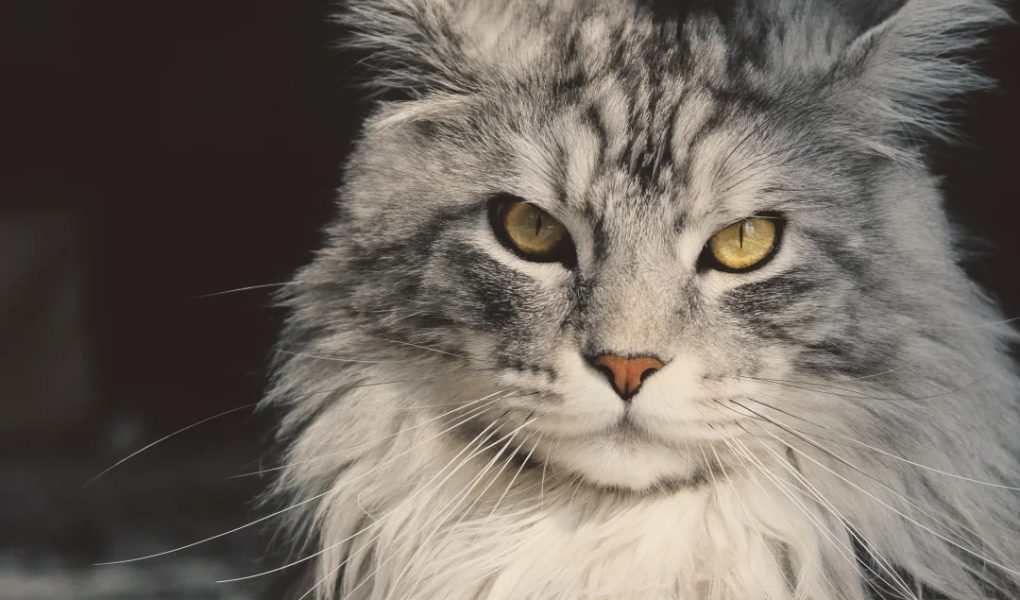
Discover the fascinating history, impressive stature, and endearing personality of the largest domesticated cat breed in the world.
—
Introduction: The King of the American Cat World
In the rugged, forested landscapes of New England, a remarkable feline emerged from the harsh winters and independent spirit of early American settlers. The Maine Coon, with its massive size, luxurious coat, and tufted ears, stands as a living testament to natural selection and adaptation. This is not merely a cat—it is a gentle giant that has captured the hearts of cat enthusiasts worldwide.
Known as the “dog of the cat world,” the Maine Coon combines impressive physical presence with an unexpectedly sweet and sociable temperament. These cats don’t just occupy space in your home; they become integral members of your family, following you from room to room with a loyalty that rivals any canine companion.

Origins and Legends: From the Pine Tree State to Global Fame
The Mystery of Maine Coon Origins
The exact origins of the Maine Coon remain shrouded in mystery and folklore, with several competing theories that add to the breed’s mystique. What is certain is that these cats developed naturally in the state of Maine, where they became the official state cat in 1985—the first cat breed to receive such an honor in the United States.
Theories of Origin:
| Theory | Description | Evidence |
| Viking Theory | Norwegian Forest Cats brought by Vikings | Similar appearance and genetics |
| Marie Antoinette Theory | Cats sent ahead during escape attempt | Romantic but unproven |
| Raccoon Hybrid Theory | Cross between cats and raccoons | Biologically impossible |
| Natural Selection Theory | Domestic cats adapted to harsh climate | Most scientifically supported |
| Longhair Cat Theory | Angora cats brought by seafarers | Plausible contribution |
The Natural Selection Story
The most widely accepted theory suggests that Maine Coons developed through natural selection. Early American settlers brought domestic cats to New England, where these cats interbred and adapted to the harsh climate over generations. Only the largest, hardiest cats with the thickest coats survived the brutal Maine winters, gradually developing the characteristics we recognize today.
Evolutionary Adaptations:
- • Large Size: Better heat retention and hunting capability
- • Water-Resistant Coat: Heavy, oily fur that repels snow and rain
- • Tufted Ears and Paws: Protection against cold and snow
- • Bushy Tail: Can be wrapped around the body for warmth
- • Robust Build: Strength for hunting in rugged terrain
From Barn Cat to Show Star
Maine Coons began their journey to recognition as working cats on Maine farms and ships, valued for their hunting prowess and hardy nature. Their transition to show cats began in the late 19th century, when they were exhibited at early cat shows in Boston and New York.
Historical Milestones:
- • 1860s: First documented as “Maine Cats” at agricultural shows
- • 1895: First place at Madison Square Garden cat show
- • 1900s: Popularity declined with introduction of Persian cats
- • 1950s: Breed revival efforts begin
- • 1968: Maine Coon Breeders and Fanciers Association (MCBFA) founded
- • 1976: CFA grants championship status
- • 1985: Named official state cat of Maine
- • Today: One of the most popular cat breeds globally
—
Distinctive Appearance: The Anatomy of a Giant
Impressive Physical Dimensions
Maine Coons are renowned as the largest domesticated cat breed, with males typically weighing between 13-18 pounds and females 8-12 pounds. However, exceptional males can reach 25+ pounds and measure over 40 inches in length from nose to tail tip.
Size Comparison:
| Measurement | Male Average | Female Average | Record Holders |
| Weight | 13-18 lbs | 8-12 lbs | Up to 35 lbs |
| Length | 30-40 inches | 25-35 inches | 48.5 inches (Stewie) |
| Height | 10-16 inches | 8-14 inches | Varies |
| Tail Length | 12-18 inches | 10-16 inches | Up to 16 inches |
The Classic Maine Coon Look
Maine Coons possess a distinctive appearance that combines rugged functionality with unexpected elegance. Their look has been described as “rectangular”—long bodies, square muzzles, and substantial bone structure create a powerful yet graceful silhouette.
Physical Characteristics:
- • Head: Square muzzle, high cheekbones, strong chin
- • Ears: Large, wide at base, tapering to pointed tips with lynx-like tufts
- • Eyes: Large, expressive, slightly oval; any color except blue (unless white)
- • Body: Long, muscular, rectangular shape with broad chest
- • Legs: Medium length, substantial boning; tufts between toes
- • Tail: Long, bushy, flowing—often as long as the body
- • Coat: Heavy, shaggy, water-resistant with shorter fur on shoulders
The Magnificent Coat
The Maine Coon’s coat is a masterpiece of natural engineering, designed to withstand harsh New England winters while requiring surprisingly little maintenance.
Coat Characteristics:
| Feature | Description | Function |
| Texture | Silky with slight oiliness | Water resistance |
| Length | Shaggy, longer on stomach and flanks | Warmth and protection |
| Ruff | Heavy mane around neck | Protection from cold |
| Undercoat | Fine, dense | Insulation |
| Color Varieties | All colors and patterns except pointed | Genetic diversity |
Popular Color Patterns:
- • Brown Tabby: The classic, most common color
- • Silver Tabby: Striking contrast with dark markings
- • Solid Colors: Black, white, red, cream, blue
- • Tortoiseshell: Mix of black and red (females)
- • Calico: White with patches of black and red
- • Smoke: Solid color with silver undercoat

Personality: Gentle Giants with Dog-Like Devotion
The “Dog of the Cat World”
Maine Coons have earned their canine comparison through behaviors that defy typical feline stereotypes. These cats don’t just tolerate human company—they actively seek it out and participate in family activities with an enthusiasm that surprises first-time owners.
Dog-Like Behaviors:
1. Following: Trail their humans from room to room
2. Greeting: Meet family at the door with chirps and trills
3. Fetching: Many enjoy retrieving toys and objects
4. Leash Walking: Can be trained to walk on harness and leash
5. Water Play: Fascination with water—may join you in the shower
6. Vocalizations: Wide range of chirps, trills, and meows
Intelligence and Trainability
Maine Coons are exceptionally intelligent cats that enjoy mental stimulation and can learn a variety of tricks and commands. Their problem-solving abilities and memory make them engaging companions who never cease to surprise their owners.
Intelligent Behaviors:
- • Problem Solving: Figure out puzzles, doors, and cabinets
- • Tool Use: Some learn to use their paws to manipulate objects
- • Communication: Develop extensive vocabularies to express needs
- • Memory: Remember people, routines, and locations
- • Learning: Quickly master tricks, commands, and routines
Social and Family-Oriented
Maine Coons are notably social cats that thrive in family environments. They generally get along well with children, other cats, and even dogs, making them excellent choices for multi-pet households.
Social Characteristics:
- • Children: Patient and gentle with respectful kids
- • Other Cats: Usually dominant but not aggressive
- • Dogs: Often bond well with cat-friendly canines
- • Strangers: Generally welcoming rather than fearful
- • Solitude: Can tolerate alone time better than some breeds
Vocal Personality
Unlike the loud, demanding meows of some breeds, Maine Coons communicate with a distinctive vocabulary of chirps, trills, and melodious meows that sound almost conversational.
Maine Coon Sounds:
- • The Trill: A rolling “brrrrp” used as greeting
- • The Chirp: Excited sound when hunting or playing
- • The Chatter: Rapid teeth chattering at prey
- • The Meow: Soft, melodic, rarely demanding
- • The Purr: Deep, rumbling, often quite loud

Health and Care: Maintaining a Giant
Genetic Health Considerations
While generally healthy and hardy, Maine Coons are predisposed to certain genetic conditions that responsible breeders screen for. Awareness and regular veterinary care can help manage these risks.
Common Health Concerns:
| Condition | Description | Screening/Management |
| Hypertrophic Cardiomyopathy (HCM) | Heart muscle thickening | Regular cardiac ultrasounds |
| Hip Dysplasia | Abnormal hip joint formation | X-ray screening |
| Spinal Muscular Atrophy (SMA) | Genetic muscle wasting | DNA testing |
| Polycystic Kidney Disease (PKD) | Kidney cysts | Ultrasound screening |
| Obesity | Weight gain tendency | Diet and exercise management |
| Dental Disease | Periodontal issues | Regular dental care |
Nutritional Requirements
Feeding a Maine Coon requires attention to their large size, slower growth rate, and tendency toward obesity. These cats continue growing until 3-4 years of age, longer than most breeds.
Feeding Guidelines:
- • High-Quality Protein: Essential for muscle maintenance
- • Controlled Portions: Prevent obesity while supporting size
- • Slow Growth Support: Kitten food until 12-15 months
- • Joint Health: Supplements like glucosamine for large breeds
- • Hydration: Wet food or fresh water to prevent urinary issues
Nutritional Schedule:
| Life Stage | Age | Diet Considerations |
| Kitten | 0-12 months | High-calorie kitten formula |
| Junior | 1-2 years | Transition to adult food gradually |
| Adult | 2-7 years | Maintenance formula, portion control |
| Senior | 7+ years | Senior formula, joint support |
Grooming the Magnificent Coat
Despite their long, heavy coats, Maine Coons are relatively low-maintenance in the grooming department. Their silky texture resists matting better than many long-haired breeds.
Grooming Routine:
- ☐ Weekly Brushing: Prevents tangles and reduces shedding
- ☐ Monthly Nail Trimming: Or as needed
- ☐ Ear Cleaning: Check and clean as needed
- ☐ Dental Care: Brush teeth or provide dental treats
- ☐ Seasonal Deep Grooming: More frequent during shedding seasons
- ☐ Paw Care: Check between toes for debris
Recommended Tools:
- • Stainless steel comb for weekly sessions
- • Slicker brush for removing loose undercoat
- • Mat splitter for any tangles
- • Nail clippers designed for large cats
- • Pet-safe wipes for quick cleanups

Living with a Maine Coon: The Complete Experience
Space and Environmental Needs
Maine Coons are large cats that appreciate space, but they adapt surprisingly well to various living situations. However, certain environmental features help them thrive.
Home Requirements:
- • Vertical Space: Tall cat trees and shelves for climbing
- • Large Litter Boxes: Extra-large or jumbo size recommended
- • Sturdy Furniture: Can support their substantial weight
- • Water Sources: Fountains or multiple water bowls
- • Window Access: Love to watch birds and outdoor activity
- • Interactive Toys: Puzzles and toys that challenge their intelligence
The Maine Coon Daily Routine
A day in the life of a Maine Coon is filled with gentle companionship, playful moments, and impressive naps.
Typical Day:
Morning:
- • Wake up with gentle pawing or soft trills
- • Breakfast with enthusiasm (but not greed)
- • Morning grooming session (if they enjoy it)
- • Following you through morning routine
- • First nap of the day
Afternoon:
- • Play sessions with interactive toys
- • Window watching and “hunting”
- • Exploring and climbing
- • More napping (they sleep 12-16 hours daily)
- • Following you around the house
Evening:
- • Dinner time excitement
- • Family time on the couch
- • Play session before bed
- • Bedtime companionship
- • Nighttime patrol of the house
Multi-Pet Households
Maine Coons generally excel in multi-pet environments due to their confident but gentle nature.
Compatibility:
- • Other Cats: Usually establish dominance gently
- • Dogs: Often form close bonds with cat-friendly dogs
- • Small Pets: May view as prey—supervise interactions
- • Children: Excellent with respectful kids
- • Elderly: Calm companions for seniors

The Maine Coon in Modern Culture
Popularity and Recognition
The Maine Coon has consistently ranked among the most popular cat breeds since achieving championship status. Their combination of impressive size, stunning appearance, and wonderful temperament has won hearts worldwide.
Popularity Factors:
- • Family-Friendly: Ideal for households with children
- • Show Ring Success: Consistent winners in cat shows
- • Social Media Stars: Popular on Instagram and YouTube
- • Celebrity Pets: Owned by numerous celebrities
- • Therapy Work: Excellent emotional support animals
Record Holders and Famous Maine Coons
Several Maine Coons have achieved fame through their extraordinary size or unique characteristics.
Notable Maine Coons:
| Name | Claim to Fame | Details |
| Stewie | World’s Longest Cat | 48.5 inches (2010 Guinness Record) |
| Ludo | World’s Longest Cat (current) | 46.6 inches (2015 Guinness Record) |
| Omar | Instagram Star | 120k+ followers, 14 kg |
| Barivel | Current Record Holder | 47.24 inches (2022 Guinness Record) |
Breed Preservation and Ethics
As the breed’s popularity has grown, responsible breeding practices have become increasingly important to maintain health and temperament standards.
Ethical Breeding Priorities:
- • Health Screening: HCM, hip dysplasia, and SMA testing
- • Genetic Diversity: Maintaining broad gene pools
- • Temperament: Preserving the gentle, social nature
- • Size vs. Health: Avoiding extremes that compromise health
- • Education: Teaching owners about Maine Coon-specific needs
—
Conclusion: A Breed Worthy of Legend
The Maine Coon stands as one of the most impressive achievements of natural feline development. From the harsh winters of Maine to the loving homes of cat enthusiasts worldwide, these gentle giants have maintained their essential character: powerful yet sweet, independent yet devoted, impressive yet approachable.
Their journey from barn cats and ship’s mousers to beloved family members is a testament to their adaptability and enduring appeal. In a world of designer breeds and genetic manipulation, the Maine Coon represents something increasingly rare—a breed that developed naturally, shaped by climate and necessity, yet perfectly suited to modern family life.
Owning a Maine Coon is not just having a pet—it’s sharing your life with a piece of American history, a gentle giant that will fill your home with love, laughter, and an undeniable sense of wonder at the majesty of the feline form.
Whether you’re drawn to their impressive size, stunning beauty, dog-like devotion, or simply the joy of living with a creature that seems almost mythical in its perfection, the Maine Coon offers an experience unlike any other in the cat world.
They are, quite simply, the kings and queens of the domestic cat world—and they know it.
—
Do you share your life with a Maine Coon? We’d love to hear your stories and see your photos in the comments below!
—