Discover the fascinating history, bold personality, and enduring cultural legacy of Japan’s most beloved native dog breed.
—
Introduction: The Little Brushwood Dog
In the mountainous forests and coastal villages of ancient Japan, a small but spirited dog hunted alongside humans for thousands of years. The Shiba Inu—Japan’s oldest and smallest native breed—carries within its compact, fox-like frame a personality as bold and independent as the rugged terrain that shaped it.
With their alert triangular ears, curled tail, and distinctive “Shiba scream,” these dogs have captured hearts worldwide while remaining deeply connected to their Japanese heritage. The Shiba Inu is not merely a pet; it is a living piece of Japanese history, a cultural icon, and one of the most fascinating personalities in the canine world.
From ancient hunting companion to internet sensation (the famous “Doge” meme), the Shiba Inu has navigated centuries of change while maintaining the essential qualities that make them uniquely, unmistakably themselves.

Origins: Japan’s Ancient Treasure
A History Spanning Millennia
The Shiba Inu’s history stretches back over 3,000 years, making them one of the oldest dog breeds in existence. Archaeological evidence suggests that dogs resembling the Shiba Inu accompanied the Jomon people—Japan’s earliest inhabitants—as far back as 300 BC.
Historical Timeline:
| Era | Event | Significance |
| 300 BC | Jomon Period | Earliest evidence of Shiba-type dogs |
| 300 AD | Yayoi Period | Continued development as hunting dogs |
| Edo Period | 1603–1868 | Refined as small game hunters |
| 1912 | Meiji Era | Western breeds threaten native dogs |
| 1928 | Preservation Effort | Movement to save native Japanese breeds |
| 1934 | Breed Standard | First official Shiba Inu standard established |
| 1936 | Natural Monument | Designated as Japanese Natural Monument |
| 1945 | Near Extinction | WWII, distemper, food shortages devastate population |
| 1954 | Recovery | Breeding programs restore the breed |
| 1979 | US Arrival | First Shiba Inu exported to United States |
| 1992 | AKC Recognition | American Kennel Club recognition |
The Name: Shiba Inu
The name “Shiba Inu” carries layers of meaning that reflect the breed’s origins:
Name Interpretations:
- • Shiba (柴): Means “brushwood” — referring to the brushwood bushes where they hunted, or the reddish-brown color of autumn brushwood
- • Inu (犬): Simply means “dog” in Japanese
- • Alternative Theory: “Shiba” may derive from an old word meaning “small”
Near Extinction and Revival
The Shiba Inu came perilously close to extinction during and after World War II. Three factors nearly wiped out the breed:
Threats to Survival:
1. Allied Bombing Campaigns: Destroyed many breeding kennels
2. Post-War Food Shortages: Dogs were not a priority
3. Distemper Epidemic: Swept through surviving populations
The Recovery:
Three surviving bloodlines were combined to restore the breed:
- • Shinshu Shiba: From Nagano Prefecture (most influential)
- • Mino Shiba: From Gifu Prefecture
- • Sanin Shiba: From Tottori and Shimane Prefectures
This careful combination of bloodlines created the modern Shiba Inu we know today.
The Six Native Japanese Breeds
The Shiba Inu is the smallest of Japan’s six native Spitz-type breeds, all designated as Natural Monuments:
Japanese Native Breeds:
| Breed | Size | Region of Origin |
| Shiba Inu | Small | Central Japan |
| Kishu Ken | Medium | Kishu region |
| Shikoku Ken | Medium | Shikoku Island |
| Kai Ken | Medium | Kai region |
| Hokkaido Ken | Medium | Hokkaido |
| Akita Inu | Large | Akita Prefecture |

Distinctive Appearance: The Fox of the Dog World
The Breed Standard
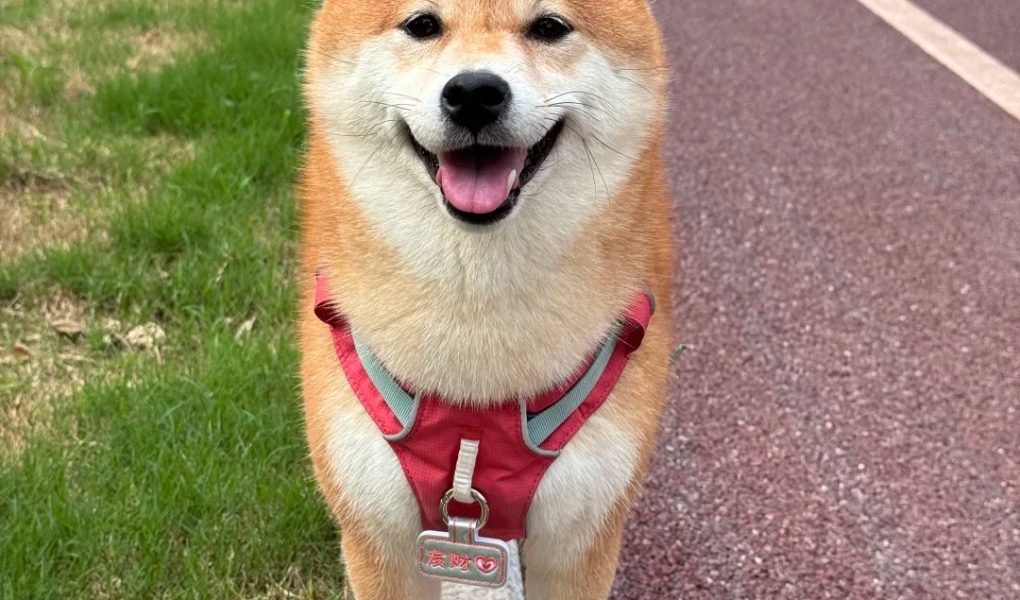
The Shiba Inu presents a picture of compact power, agility, and alert intelligence. Their fox-like appearance is no accident—centuries of natural selection in Japan’s forests created a dog perfectly adapted to its environment.
Physical Characteristics:
- • Size: Small (17-23 pounds)
- • Build: Compact, muscular, well-proportioned
- • Head: Broad forehead, fox-like appearance
- • Eyes: Triangular, dark brown, upward-slanting
- • Ears: Small, triangular, firmly pricked
- • Coat: Double coat, stiff outer, soft inner
- • Tail: Thick, curled over back (sickle or curl)
- • Movement: Light, quick, agile
The Three Official Colors
The Shiba Inu comes in three officially recognized colors, each with specific requirements for the distinctive “urajiro” (cream/white) markings.
Official Colors:
| Color | Description | Urajiro Requirement |
| Red | Vibrant red-orange | Cheeks, muzzle, chest, belly, inner legs |
| Black and Tan | Black with tan points | Same areas as red |
| Sesame | Red with black-tipped hairs | Same areas as red |
The Urajiro:
The urajiro (裏白) is a defining characteristic of the Shiba Inu—cream or white markings on specific areas of the body. This pattern is considered essential to the breed standard and contributes significantly to their fox-like appearance.
Cream/White Shiba Inu:
While cream-colored Shibas exist, they are not recognized in the official breed standard because the urajiro markings cannot be distinguished on a cream coat. This is a significant consideration for show dogs.
The Double Coat
The Shiba Inu’s double coat provides excellent protection in all weather conditions and is a key feature of the breed.
Coat Characteristics:
| Feature | Description | Care Requirements |
| Outer Coat | Stiff, straight, stand-off | Weekly brushing |
| Undercoat | Soft, thick, dense | Seasonal shedding |
| Shedding | Heavy twice yearly | Daily brushing during “blow coat” |
| Self-Cleaning | Naturally clean coat | Infrequent bathing |
| Weather Resistance | Excellent protection | Minimal special care |
The Curled Tail
The Shiba Inu’s tail is one of their most distinctive features, carried in a sickle curve or full curl over the back.
Tail Types:
- • Sickle Tail: Curves upward but doesn’t complete a full circle
- • Curl Tail: Completes a full circle over the back
- • Double Curl: Rare, two complete circles

Personality: The Bold and Independent Spirit
The Shiba Inu Character
The Shiba Inu possesses one of the most distinctive personalities in the dog world. They are often described using three Japanese words that capture their essence:
The Three Core Qualities (三徳 / Santoku):
1. Kan-i: Boldness and bravery — fearless confidence
2. Ryosei : Good nature — gentle and obedient
3. Soboku: Artlessness — natural, unpretentious simplicity
The “Cat-Like” Dog
Shiba Inus are frequently compared to cats in their behavior and temperament:
Cat-Like Behaviors:
- • Self-Grooming: Fastidiously clean, groom themselves
- • Independence: Don’t need constant attention
- • Aloofness: Reserved with strangers
- • Agility: Graceful, precise movements
- • Curiosity: Investigate everything carefully
- • Dignity: Carry themselves with quiet pride
The Famous “Shiba Scream”
One of the most distinctive—and sometimes alarming—Shiba Inu behaviors is their vocalization. When unhappy, excited, or protesting, Shibas can produce a high-pitched, dramatic scream.
Shiba Vocalizations:
- • The Shiba Scream: High-pitched protest or excitement
- • The Shiba 500: Frantic running in circles when happy
- • Quiet Dignity: Often silent and composed
- • Selective Barking: Not excessive barkers
- • Grumbling: Low vocalizations when displeased
Stubbornness and Intelligence
Shiba Inus are intelligent dogs, but their intelligence is paired with a strong independent streak that can make training challenging.
Training Characteristics:
- • Intelligence: High, but selective about using it
- • Stubbornness: Will refuse commands they find pointless
- • Motivation: Food and play work better than praise alone
- • Consistency: Requires firm, consistent training
- • Positive Methods: Responds poorly to harsh corrections
- • Patience Required: Training takes time and creativity
Social Dynamics
Shiba Inus have specific social preferences and tendencies that owners should understand.
Social Patterns:
- • Family Bonds: Loyal to family, reserved with strangers
- • Dog Aggression: Can be aggressive with same-sex dogs
- • Small Animals: High prey drive, may chase cats/small pets
- • Children: Better with older, respectful children
- • Strangers: Aloof but not aggressive
- • Personal Space: Values their own space

Health and Care: Maintaining the Shiba Standard
Common Health Concerns
Shiba Inus are generally healthy, long-lived dogs, but they have some breed-specific health considerations.
Common Health Issues:
| Condition | Description | Prevention |
| Hip Dysplasia | Abnormal hip joint development | OFA screening |
| Patellar Luxation | Kneecap dislocation | Orthopedic screening |
| Progressive Retinal Atrophy (PRA) | Degenerative eye disease | DNA testing |
| Glaucoma | Eye pressure condition | Regular eye exams |
| Allergies | Skin and food allergies | Diet management |
| Hypothyroidism | Thyroid dysfunction | Regular blood tests |
Longevity
Shiba Inus are known for their longevity, often living well into their teens.
Lifespan:
- • Average: 12-15 years
- • Notable: Some individuals reach 16-18 years
- • Record: Pusuke, a Shiba mix, lived to 26 years (Guinness World Record)
The “Blow Coat” Phenomenon
Twice a year, Shiba Inus undergo a dramatic shedding period called “blowing coat” where they shed their entire undercoat.
Blow Coat Management:
- • Duration: 2-4 weeks
- • Frequency: Twice yearly (spring and fall)
- • Grooming: Daily brushing essential
- • Tools: Undercoat rake, slicker brush
- • Bathing: Can help loosen dead coat
- • Patience: Significant hair everywhere
Grooming Routine
Despite their thick double coat, Shiba Inus are relatively low-maintenance groomers due to their self-cleaning nature.
Grooming Schedule:
- ☐ Weekly Brushing: Maintains coat health
- ☐ Daily Brushing: During blow coat season
- ☐ Monthly Bathing: Or as needed (they stay clean)
- ☐ Nail Trimming: Every 2-3 weeks
- ☐ Ear Cleaning: Monthly check and clean
- ☐ Dental Care: Regular brushing or dental treats
Exercise Requirements
Shiba Inus need regular exercise but are adaptable to various living situations.
Exercise Needs:
- • Daily: 1-2 hours of activity
- • Types: Walking, hiking, play sessions
- • Mental: Training, puzzle toys
- • Leash: Always on leash outside (prey drive)
- • Fencing: Secure fencing essential
- • Escape Artists: Known for finding ways out

Living with a Shiba Inu: Earning Their Respect
The Ideal Shiba Home
Shiba Inus adapt well to various living situations but have specific needs that must be respected.
Home Requirements:
- • Secure Fencing: Escape-proof yard essential
- • Space: Adaptable to apartments with exercise
- • Experienced Owner: Best with dog-experienced owners
- • Patience: Required for training and bonding
- • Respect: Must earn the Shiba’s trust
- • Consistency: Firm, consistent boundaries
The Shiba Inu Relationship
Owning a Shiba Inu is unlike owning most other breeds. The relationship is built on mutual respect rather than unconditional devotion.
Relationship Dynamics:
- • Loyalty: Deep but not demonstrative
- • Affection: On their terms, not yours
- • Trust: Must be earned over time
- • Independence: Will not follow you everywhere
- • Dignity: Responds poorly to being treated like a toy
- • Respect: Give it to receive it
Training Philosophy
Training a Shiba Inu requires a specific approach that respects their intelligence and independence.
Effective Training Methods:
- • Short Sessions: 5-10 minutes maximum
- • High-Value Rewards: Use their favorite treats
- • Make It Fun: Keep training engaging
- • Positive Reinforcement: Reward what you want
- • Avoid Repetition: They bore easily
- • Patience: Progress may be slow but steady
Common Training Challenges:
- • Recall: Unreliable off-leash recall
- • Leash Pulling: Can be persistent
- • Resource Guarding: May guard food or toys
- • Stubbornness: Will simply refuse sometimes
- • Socialization: Requires early, extensive socialization
Multi-Pet Households
Shiba Inus can coexist with other pets but require careful management.
Compatibility:
- • Other Dogs: Better with opposite-sex dogs
- • Cats: Possible with early socialization
- • Small Animals: High risk due to prey drive
- • Children: Best with older, respectful children
- • Supervision: Always supervise interactions

The Shiba Inu in Modern Culture
The Doge Phenomenon
In 2013, a photo of a Shiba Inu named Kabosu became one of the internet’s most famous memes—the “Doge” meme. This image, featuring Kabosu’s sideways glance with multicolored Comic Sans text, became a cultural phenomenon.
Doge Legacy:
- • 2013: Original photo goes viral
- • 2013: “Doge” meme spreads globally
- • 2021: Dogecoin cryptocurrency inspired by the meme
- • 2023: Kabosu passes away at approximately 18 years old
- • Legacy: One of the most recognized internet memes ever
Cultural Significance in Japan
In Japan, the Shiba Inu holds a special place in national culture and identity.
Cultural Roles:
- • National Symbol: Represents Japanese aesthetics
- • Good Luck: Associated with good fortune
- • Mascots: Used in advertising and branding
- • Art: Featured in traditional and modern Japanese art
- • Tourism: Popular with visitors to Japan
Popularity Growth
The Shiba Inu has experienced explosive popularity growth worldwide, particularly in the 2010s.
Popularity Factors:
- • Internet Fame: Doge meme exposure
- • Aesthetic Appeal: Fox-like appearance
- • Size: Manageable for urban living
- • Independence: Appeals to busy owners
- • Uniqueness: Distinctive personality
Global Rankings:
- • Japan: Consistently most popular breed
- • United States: Top 50 most popular breeds
- • Worldwide: Growing popularity in Asia and Europe
—
Conclusion: Japan’s Enduring Canine Spirit
The Shiba Inu’s journey from ancient Japanese hunting dog to global internet celebrity is a testament to their enduring appeal. Through near-extinction and remarkable recovery, through cultural upheaval and global spread, the Shiba Inu has maintained the essential qualities that make them uniquely themselves.
They are not dogs for everyone. Their independence, stubbornness, and complex personalities require owners who understand and respect their nature. But for those who earn a Shiba’s trust and loyalty, the reward is a relationship unlike any other—a partnership built on mutual respect with a dog that carries thousands of years of Japanese history in every graceful movement.
Owning a Shiba Inu is not about having a dog that worships you—it’s about earning the respect of a creature with ancient dignity and independent spirit. When a Shiba chooses to show you affection, it means something profound, because it was never guaranteed.
In the Shiba Inu, we see the best of Japan’s aesthetic philosophy: beauty in simplicity, strength in restraint, and dignity in every moment. They are, truly, Japan’s ancient fox-like spirit made flesh.
—
Do you share your life with a Shiba Inu? Share your stories and photos in the comments below!
—